
"We just need a logo" is one of the most common ways a branding conversation starts. Sometimes that's true. More often, what the business really needs is to look like the same company everywhere it shows up: on the website, on Instagram, on a proposal, on a van.
That is the difference between a logo and a brand identity.
A logo is a signature
A logo is the mark that identifies you. It matters, but on its own it does surprisingly little. It sits in a corner of your website and the top of your invoices. It can't tell people how you sound, what your photos look like, or why you are different.
A brand identity is a system
A brand identity is everything people see and hear that makes you recognisable, built as a set of rules that work together. A complete identity usually includes:
- Strategy: who you are for, what you stand for, how you are different, and the personality that comes from that
- Logo suite: the main logo, a simplified version, an icon for small spaces, and versions for light and dark backgrounds
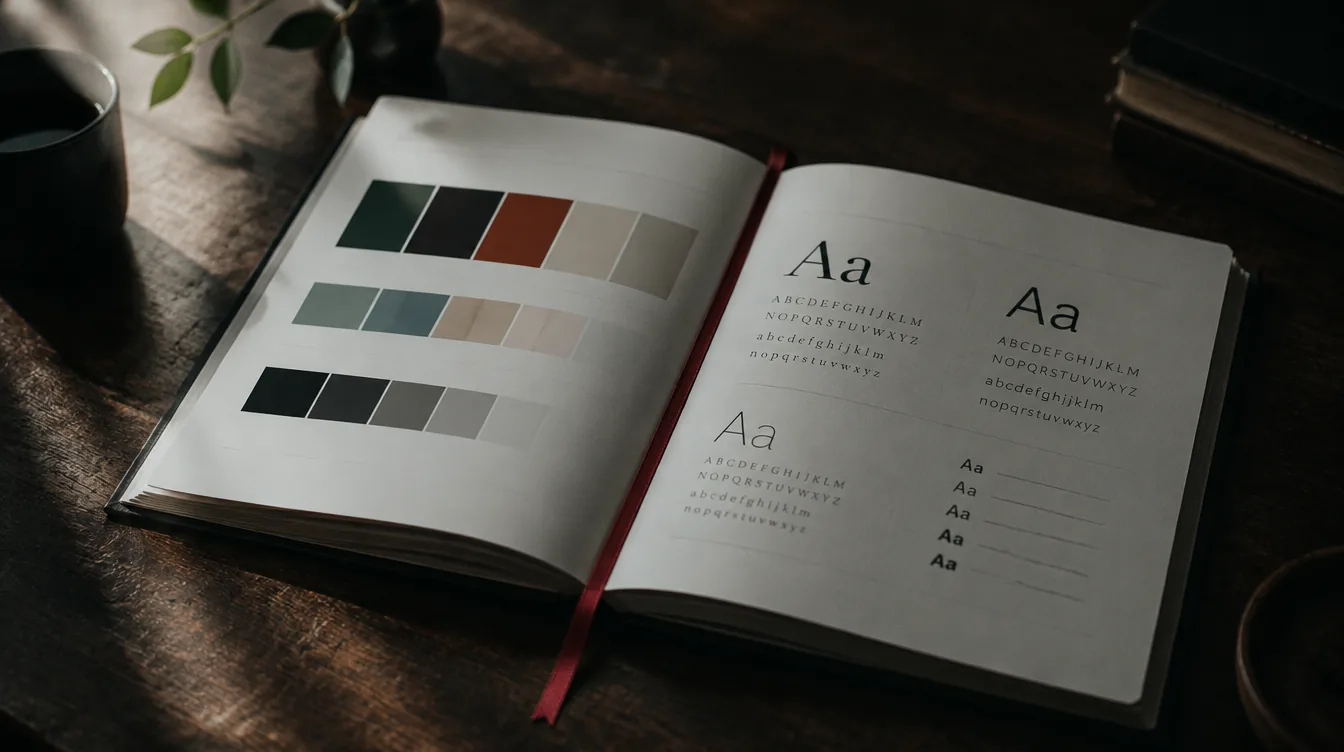
- Colour palette: primary and supporting colours, with exact values for screen and print
- Typography: the typefaces for headlines and body text, and how to use them
- Imagery: the style of photography, illustration or AI imagery that feels like you
- Graphic elements: patterns, shapes, icons and layouts that make your work recognisable even without the logo
- Tone of voice: how you write, with examples of what to say and what to avoid
- Guidelines: a document that explains all of it, so anyone can apply it correctly
Why the system matters more than the mark
Think of the brands you recognise from a glance at an ad, before you see the logo. That recognition comes from consistency: the same colours, the same type, the same style of photography, the same voice, repeated over years.
Consistency is hard without a system. Every new social post, flyer or landing page becomes a fresh design decision, made by whoever is in a hurry that day. Over time the brand drifts, and customers stop recognising it.
A good identity makes the right choice the easy choice. Your team, your freelancers and your agency all work from the same toolkit.
What it does for the business
- Trust: people judge quality quickly. A consistent, considered brand signals a business that takes care.
- Recognition: repeated exposure only builds memory if each exposure looks like the last one.
- Pricing power: businesses that look premium can charge accordingly.
- Speed: with templates and rules in place, new materials take hours instead of days.
- Clarity: the strategy work forces decisions about who you serve and why you are different, which sharpens your marketing too.
Which one do you need?
A logo is probably enough if:
- It's a short-term project, event or internal initiative
- You're testing an idea before committing
- Budget is very limited and you'll invest properly later
You need a full identity if:
- You are launching or relaunching a business you want to grow
- Customers compare you against established competitors
- More than one person creates content or materials for you
- You are raising prices or moving upmarket
- Your current look feels inconsistent or out of date
How a brand identity project usually runs
- Discovery: conversations about the business, the audience, competitors and goals.
- Strategy: positioning, personality and the core message.
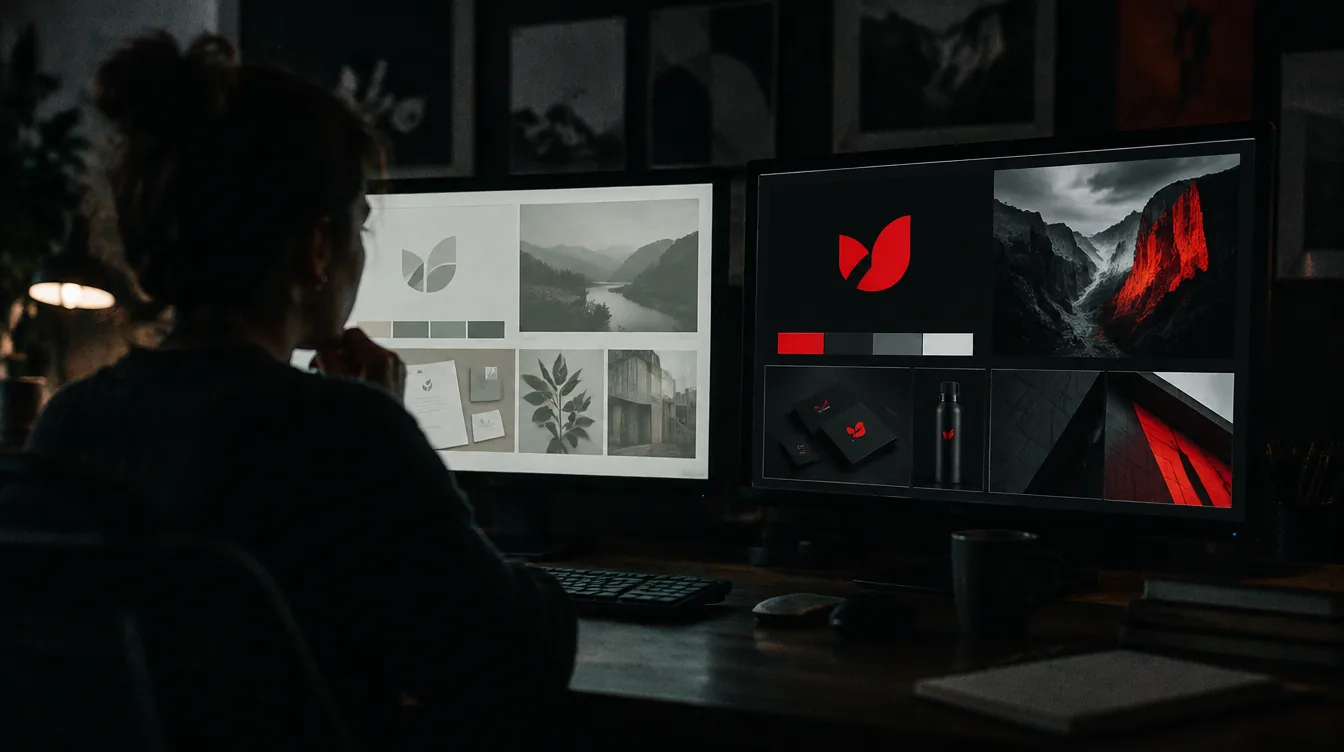
- Creative direction: mood boards and visual routes to choose from.
- Design: logo suite, colour, type, imagery style and graphic elements.
- Application: the identity shown on real items such as the website, social templates and stationery.
- Guidelines: the rulebook and files, handed over.
The bottom line
You're not paying for a symbol. You're paying for a system that makes every touchpoint look and sound like the same trustworthy business, without having to think about it each time.
If you're not sure which you need, book a free 30-minute call and we'll tell you honestly.